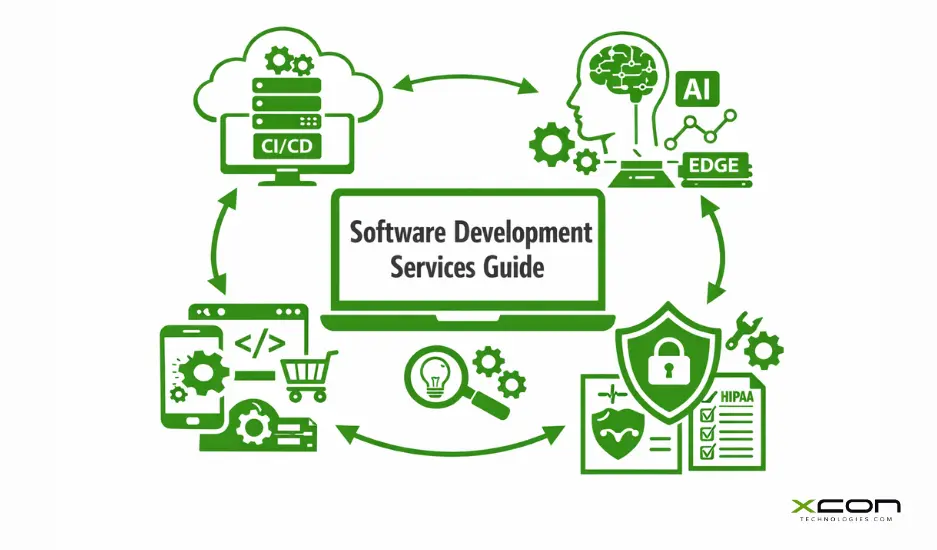
Software development services help businesses build, scale, and modernize digital products. The best providers offer custom solutions, strong security, modern cloud infrastructure, and clear delivery processes. US companies, including those in Ohio, should focus on business alignment, technical expertise, and long-term support when choosing a partner.
Businesses rely on software to operate, compete, and grow. From internal tools to customer-facing apps, every system impacts revenue and efficiency.
The demand for reliable software development services continues to rise across the United States. Ohio businesses, in particular, invest in digital tools to modernize operations and stay competitive in manufacturing, healthcare, and retail sectors.
This guide explains how to evaluate providers, understand services, and choose the right partner for long-term success.
What Defines a Top Software Development Company?
The Growing Need for Expert Services
Companies need more than code. They need scalable systems, secure infrastructure, and seamless user experiences.
A strong development partner aligns technology with business goals. They focus on performance, usability, and measurable outcomes.
Beyond Basic Services
Top providers show:
- Clear project management processes
- Strong communication practices
- Experience across industries
- Proven case studies and results
They do not just build software. They solve business problems.
Core Services Driving Innovation
Custom Software Development
Custom software supports unique workflows. It helps businesses avoid limitations of off-the-shelf tools.
Use cases include:
- Enterprise resource planning systems
- Customer relationship management platforms
- Internal automation tools
Custom builds improve efficiency and long-term scalability.
Web and Mobile App Development
Modern users expect seamless digital experiences.
Businesses invest in:
- Responsive web development
- Mobile apps for iOS and Android
- E-commerce platforms with secure payment gateways
Ohio retailers and service providers often prioritize mobile-first experiences to meet local and national demand.
UI UX Design and Product Strategy
Design impacts user retention. Poor design increases churn.
Strong UX/UI design focuses on:
- Simple navigation
- Fast load times
- Accessibility standards such as WCAG
A good product strategy connects design with business goals.
Cloud Solutions and DevOps
Cloud platforms improve scalability and reduce infrastructure costs.
Key elements include:
- Cloud computing and integration
- CI/CD pipelines for faster releases
- Automated testing for reliability
Cloud-based solutions allow teams to scale without downtime.
System Integration and Modernization
Many businesses still use legacy systems. These systems limit growth.
Modernization includes:
- API integration
- Real-time data synchronization
- Migration to modern technology stacks
This step connects all systems into one efficient ecosystem.
Advanced Technologies
Companies now adopt:
- Machine learning for data insights
- AI-driven experiences for automation
- Edge computing for faster processing
These technologies improve decision-making and operational speed.
Security and Compliance by Design
Building Secure Software
Security must start at the design stage.
Developers must protect against:
- Online attacks
- Malformed data
- Unauthorized access
Security testing should run throughout development.
Cybersecurity Best Practices
Strong systems include:
- Data encryption
- Access control policies
- Regular vulnerability testing
Security is not a one-time step. It requires ongoing monitoring.
Regulatory Compliance
US businesses must meet strict requirements.
Common standards include:
- HIPAA for healthcare
- Data validation practices
- Industry-specific compliance frameworks
Ohio healthcare and finance companies often face strict audits.
The Partnership Journey
Phase 1: Define Business Goals
Start with clear objectives. Define the problem and expected outcome.
Phase 2: Discovery and Architecture
Teams map the solution, choose the tech stack, and define scope.
Phase 3: Agile Development
Developers build in iterations. Teams test continuously.
Phase 4: Deployment and Growth
Launch the product. Monitor performance. Plan future updates.
Evaluating the Right Partner
Key Criteria
| Criteria | Why It Matters |
| Technical expertise | Ensures scalable and secure solutions |
| Industry experience | Reduces learning curve |
| Communication | Prevents delays and confusion |
| Portfolio | Shows proven success |
| Support services | Ensures long-term stability |
Asking the Right Questions
- How do you handle scope changes?
- What is your testing process?
- How do you ensure security compliance?
- What support do you offer after launch?
Clear answers build confidence.
Red Flags to Watch
- Vague pricing structures
- No clear development process
- Poor communication
- Lack of real case studies
Avoid partners who overpromise and under-explain.
When This Is the Best Option
Choose a professional development partner when:
- Your business needs custom workflows
- Off-the-shelf tools limit growth
- You plan to scale operations
- Security and compliance matter
Startups, SMBs, and enterprise teams all benefit when systems align with strategy.
Pros and Cons
Pros
- Tailored solutions for business needs
- Better scalability and performance
- Strong security and compliance
- Long-term cost efficiency
Cons
- Higher upfront investment
- Longer development timelines
- Requires clear project planning
- Needs ongoing maintenance
Common Mistakes to Avoid
- Choosing based on price only
- Ignoring long-term scalability
- Skipping proper documentation
- Underestimating UX design importance
- Failing to plan for maintenance
These mistakes increase costs later.
The Strategic Advantage
A strong development partner improves speed, efficiency, and innovation.
Businesses that invest in the right technology stack gain a competitive edge. This holds true across US markets, including Ohio’s growing tech ecosystem.
Key Takeaways
- Align software with business goals, not trends
- Prioritize security and scalability from the start
- Choose partners with proven experience
- Plan for long-term support and growth
FAQs
They include building, testing, and maintaining custom software, apps, and systems for business use.
Costs vary by scope but range from $10,000 to $200,000+ depending on complexity.
Most projects take 3 to 9 months based on features and integrations.
Good design improves user retention, usability, and overall customer experience.
Yes, especially for manufacturing, healthcare, and logistics operations.
Conclusion
Choosing the right software development services can define your business growth. Focus on expertise, clear processes, and long-term value.
The right partner will help you build scalable, secure, and user-focused solutions that support real business outcomes.