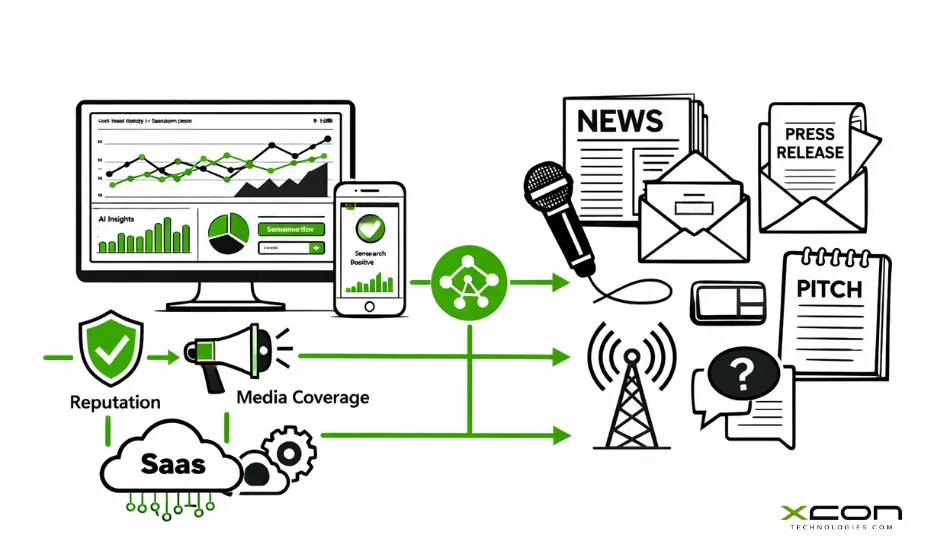
The tech industry moves faster than traditional public relations can keep up. If your PR strategy depends on press releases and media lists, you may be lagging behind. Competitors are using data-driven, AI-enabled methods to get ahead. High-tech PR agencies know that today’s tech companies want more than just media mentions. They need clear business results. They also need strong authority in busy markets and the ability to react quickly.
This shift isn’t cosmetic. Traditional PR workflows were built for a media landscape that no longer exists. Tech buyers find solutions through AI Overviews, niche communities, and thought leadership content. This happens even before they see any press mentions. Your PR strategy must show how tech companies build trust and generate leads in 2026.
Short Summary
High-tech PR stands out from traditional PR. It focuses on data, digital authority, and measurable ROI. Traditional PR focuses on media placements and brand awareness.
High-tech PR agencies focus on:
- Search visibility
- Technical storytelling
- Demand generation
- Real-time reputation management
These elements are key to their strategy.
High-tech PR helps B2B tech firms, SaaS platforms, and startups perform better and stay agile. This is key to competing effectively.
The New Era of Tech Public Relations
The way people discover, evaluate, and trust technology companies has fundamentally changed. Traditional media coverage lacks the business impact it once had. This is especially true for B2B tech companies that sell enterprise software or specific solutions.
How Media and Communications Have Changed
AI-curated content now determines what your buyers see first. Google’s AI Overviews, ChatGPT, and Perplexity get answers from trusted sources, not just regular publications. Your prospects get information from different places. They listen to podcasts and read LinkedIn posts. They watch YouTube videos And check niche Slack channels. Traditional PR has a limited reach in these areas.
Media outlets share fewer stories about companies. They focus on those with strong traction or unique expertise. Getting coverage requires more than a press release. You need data, differentiation, and a compelling narrative that serves the journalist’s audience.
Why 2026 requires a high-tech PR mindset
Adopting modern PR practices isn’t optional anymore. Your competitors are using AI tools. They find media opportunities And track brand mentions online. They also improve content for search engines and answer engines. Many traditional PR agencies don’t have the tech tools or digital know-how to compete effectively.
Tech buyers want transparency, proof, and expertise before they talk to your sales team. Your PR strategy should create a strong base. Focus on thought leadership, educational content, and visibility where your audience spends time.
Traditional PR vs. High Tech PR Defined

Knowing the difference between these approaches helps you see which model suits your business goals.
What Traditional PR Focuses On
Traditional PR agencies focus on media relations. They handle press releases and seek brand mentions in popular outlets. The goal is typically awareness of getting your company name in front of as many people as possible. Success is measured by metrics such as media impressions, share of voice, and publicity value.
This method is good for consumer brands. It also suits older industries and businesses that want wide recognition. But it fails to provide the precision and performance that B2B tech firms require.
What Defines High-Tech PR Agencies
High-tech PR combines strategic communications with digital marketing, data analysis, and technical expertise. These agencies know complex tech products and enterprise sales. They also understand how to connect with technical decision-makers.
They use AI tools to find trending topics and track brand reputation live. These tools also improve content for readers and AI systems. They focus on more than media coverage And also check search visibility. They look at social media engagement, content marketing, and lead generation support.
Key Differences That Matter in 2026
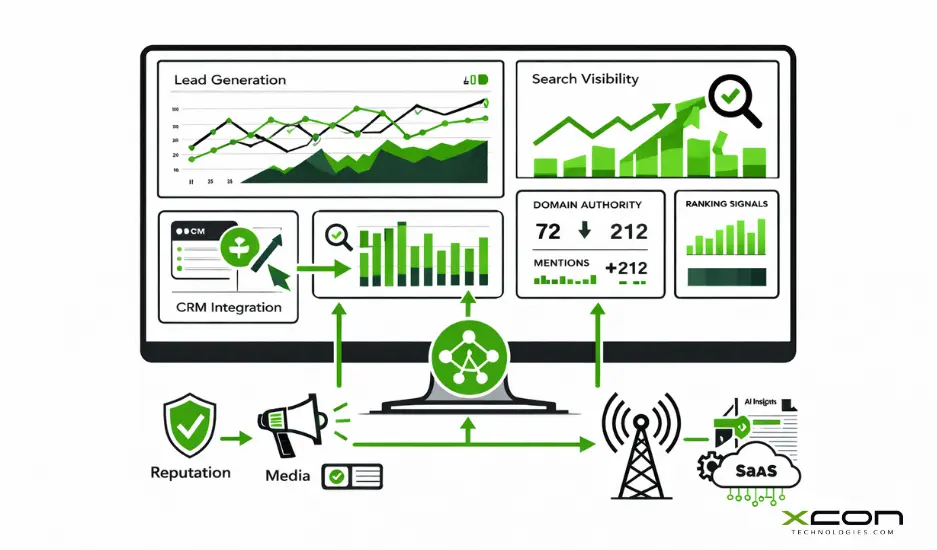
Several operational and strategic distinctions separate traditional PR from high-tech PR.
Media Outreach in an AI-First World
Traditional PR relies heavily on journalist relationships and media lists. High-tech PR agencies create owned media assets like blogs, podcasts, and YouTube channels. These tools help them connect directly with their audience. They are mentioned in niche publications. They share insights on industry platforms they also optimize content. This helps AI systems see your company as a trusted source.
Digital PR tactics include backlinking and content syndication. Teamwork in thought leadership also helps. Together, these build lasting visibility. This visibility grows stronger over time.
Measurement and ROI accountability
Traditional PR tracks vanity metrics: impressions, media mentions, and publicity value. High-tech PR affects business results. It increases website traffic, brings in qualified leads, shapes the pipeline, and tracks revenue attribution. Advanced agencies link PR activities to your CRM. This shows which content and campaigns drive sales conversations.
This accountability is important. It helps when you explain PR spending to executives who want clear results.
Content and Technical Storytelling
Explaining complex technology requires more than marketing speak. High-tech PR agencies are great at turning technical innovations into clear stories. These stories help build trust with savvy buyers. They write white papers, case studies, and product explainers. These show expertise clearly, but without oversimplifying.
This technical knowledge is key. It helps with enterprise solutions, cybersecurity products, and AI platforms.
Crisis and Reputation in Real Time
Negative sentiment on social media or forums happens fast. Traditional PR workflows can’t keep up. High-tech PR agencies use media monitoring tools. They detect issues right away and respond clearly. This helps prevent narratives from spiraling out of control.
In digital spaces, speed and authenticity are key. Your audience prefers honest communication over polished statements.
Audience Targeting and Engagement
Traditional PR casts a wide net. High-tech PR targets specific personas. It picks up on their intent signals. Then, it links them in small groups where they seek information. This precision ensures your message reaches decision-makers actively evaluating solutions like yours.
Alignment with Marketing and Sales
Progressive tech companies see PR as a way to support revenue, not a brand activity. High-tech PR agencies work closely with your content strategy team. They align messaging with your go-to-market plan. Also, they help speed up the pipeline by boosting visibility.
Why Traditional PR Falls Short for Tech in 2026
Several structural limitations prevent traditional PR from serving fast-moving technology companies effectively.
Innovation Speed vs. Legacy PR Cycles
Tech companies launch updates, announce features, and pivot strategies frequently. Traditional PR uses monthly planning cycles. It takes weeks to prepare for media outreach. This mismatch means you miss chances to take advantage of momentum or react to market changes.
Demand for Measurable Business Impact
Executives at B2B tech companies are now doubting PR investments. They want these investments to show clear business results. Traditional agencies find it hard to show ROI beyond awareness metrics. This makes it tough to justify budget spending.
Visibility Challenges in Crowded Tech Markets
Many startups vie for attention in crowded fields like SaaS, cybersecurity, and AI. Generic press releases and standard media pitches get ignored. You need differentiated positioning and strategic thought leadership to stand out.
Limits of One-Size-Fits-All PR
Traditional agencies often apply the same playbook across different clients and industries. Tech audiences are sophisticated and skeptical; they see through generic messaging immediately. Effective tech PR requires deep category expertise and authentic technical understanding.
What Actually Works in High-Tech PR Today
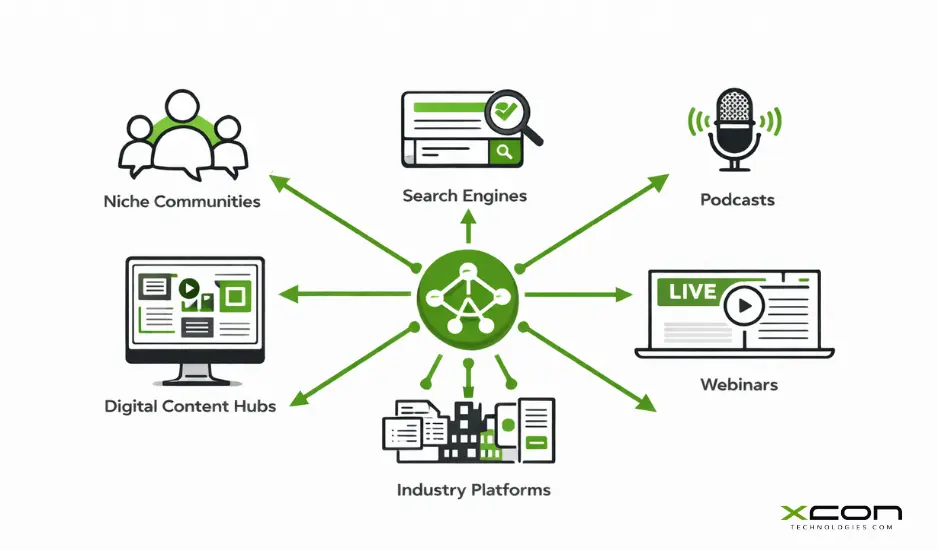
Modern tech PR delivers results through several interconnected strategies.
Data-Driven and AI-Enabled PR
Top agencies use generative AI tools to find trending topics. They analyze competitor positions and improve content performance. Predictive analytics help rank which opportunities will deliver the greatest impact. Performance tracking ensures continuous improvement based on what actually drives results.
Outcome-Focused PR Strategy
Every campaign links to clear business goals.
- Generating qualified leads
- Establishing thought leadership
- Supporting product launches
- Accelerating pipeline
This clarity ensures alignment between PR activities and company priorities.
Hyper-targeted and niche engagement
High-tech PR skips mass media. Instead, it targets niche publications, industry analysts, and micro-communities. These are the places where your ideal customers engage. Relevance matters more than reach.
Thought Leadership and Brand Authority
Positioning your founders and executives as recognized experts builds trust and differentiation.
This includes:
- Securing speaking gigs
- Writing for industry publications
- Joining podcasts
- Producing original research that others cite.
Agile, ethical, and adaptive communication
Transparency and authenticity resonate with tech audiences. High-tech PR agencies help you talk openly about challenges. They encourage you to admit mistakes when needed. Also, they allow you to adjust your messaging quickly as things change. This approach builds lasting credibility.
Choosing the Right PR Model for Your Business
Your ideal PR approach depends on your specific situation and goals.
When Traditional PR Still Makes Sense
If you’re a consumer tech company, traditional PR can boost your brand awareness. It works well for launching in mass markets or reaching general audiences. Established firms in legacy industries can also enjoy conventional media relations.
When high tech PR is essential.
B2B tech companies need strong PR. SaaS platforms do too. Cybersecurity firms, enterprise software providers, and venture-backed startups also need solid tech PR. If you sell to tech decision-makers, use modern PR strategies. They are a must if you work in competitive fields or need measurable leads.
The Hybrid PR Approach
Some companies enjoy combining traditional media relations with digital PR tactics. This works when you need both broad visibility and targeted performance. The key is to ensure your agency truly knows both areas. Don’t just add digital services to old workflows.
PR Partner Evaluation Checklist
When selecting an agency, assess:
- Technology stack: Do they use AI tools, analytics platforms, and marketing automation?
- Measurement capabilities: Can they track PR impact through your sales funnel?
- Technical expertise: Do they understand your product category deeply?
- Digital presence: How do they demonstrate thought leadership in their own marketing?
- Client alignment: Have they worked well with companies like yours? Are they familiar with your sector?
The Competitive Advantage of Smarter PR
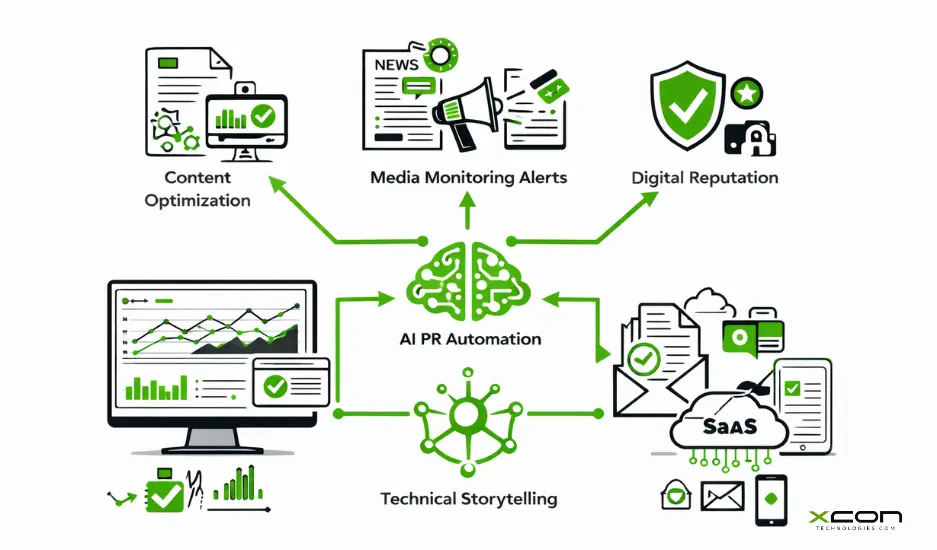
The gap between traditional and modern PR methods will grow. This will happen as AI systems get smarter and buyer behavior changes.
The Shift Toward Tech-Enabled PR
PR agencies that ignore AI tools will fall behind. They also need digital strategies and performance measurement to keep up. The transformation happening across marketing applies equally to public relations. Smart companies see this. They team up with agencies that accept change instead of resisting it.
Competitive Advantage Through Smarter PR
Your PR strategy affects how fast you gain authority, create demand, and close deals. High-tech PR helps companies stand out. While competitors stay hidden, these firms gain visibility. They capture attention from buyers actively searching for solutions. They establish credibility, shortening sales cycles.
What Works in 2026 and Beyond
The future of tech PR mixes human skills with AI tools. It balances owned media and earned authority. It focuses on results, not outputs. Agencies must know the technical and strategic parts of modern communications. This is key to success.
Ready to see if your PR strategy fits how tech companies succeed in 2026? Check your approach against the frameworks shared here. The companies that adapt fastest will define the next generation of market leaders.
Frequently Asked Questions
High-tech PR focuses on data-driven strategies and digital channels. It values technical storytelling and measurable business outcomes. This approach goes beyond traditional media coverage and brand awareness metrics.
Track metrics such as:
Qualified website traffic
Inbound leads
Content engagement rates
Search visibility improvements.
Pipeline influence
Advanced agencies link PR efforts to revenue using CRM integration and attribution modeling.
Some traditional agencies work well with tech clients. They often lack tech skills. They also miss digital tools and tracking methods that high-tech PR agencies provide.
High-tech PR agencies usually charge the same or a bit more than traditional ones. This is because they have specialized skills and invest in technology. But, the measurable ROI typically justifies the investment more clearly.
Initial momentum builds within 2-3 months through content publication and digital PR. Thought leadership and search visibility take time. They usually build up in 6 to 12 months. This happens as authority grows.
Many successful tech companies combine internal teams with specialized agency support. Agencies give an outside view. They have strong media ties, helpful tools, and extra support. This helps teams do more.